The 6 Kinds of Asbestos and Why Some Are Extra Harmful Than Others
Asbestos refers to 6 minerals: chrysotile, amosite, crocidolite, tremolite, anthophyllite, and actinolite. asbestos garage removal You'll find that amphibole types— like amosite and especially crocidolite— are much more harmful, considering that their straight, needle-like fibers withstand breakdown in your lungs and linger longer, elevating the risk of mesothelioma and asbestosis. Chrysotile fibers are curlier and less consistent, yet still unsafe. Recognizing why these differences matter can help you better examine risks and security methods moving on.
Takeaways
- There are six sorts of asbestos: chrysotile, amosite, crocidolite, tremolite, anthophyllite, and actinolite.
- Asbestos is identified right into two teams: serpentine (chrysotile) with curly fibers and amphibole (the other five) with right, needle-like fibers.
- Amphibole asbestos types, particularly crocidolite and amosite, are more hazardous due to their greater toxicity and biopersistence in the lungs.
- Chrysotile is the most commonly made use of but might be much less biopersistent, although all kinds of asbestos position severe wellness threats.
- The needle-like form and longevity of amphibole fibers make them harder for the body to clear, raising disease threat.
What Are the 6 Kinds Of Asbestos?
Although asbestos is typically talked about as a solitary material, it in fact refers to a group of 6 distinctive silicate minerals, each with distinct chemical structures and physical residential or commercial properties. You'll come across two key asbestos groups: serpentine and amphibole. For serpentine recognition, concentrate on chrysotile, the sole participant, which includes curly, layered fibers and make up most commercial usage. Amphibole characteristics, in comparison, include right, needle-like fibers. There are five amphibole kinds: amosite, crocidolite, tremolite, anthophyllite, and actinolite. Each amphibole version displays differing iron, magnesium, and silicon material, influencing fiber toughness and biopersistence. Identifying these differences is vital, as mineral structure influences just how fibers interact with organic cells and environmental problems. Recognizing these six asbestos kinds develops the structure for evaluating their connected dangers.
Which Types of Asbestos Are A Lot Of Hazardous?
Threat prospective varies markedly among asbestos kinds, mostly because of differences in fiber morphology and biopersistence. If you're assessing risk, it's important to comprehend that amphibole asbestos-– such as crocidolite and amosite-– displays higher poisoning. Amphibole fibers are straight, needle-like, and more biopersistent, suggesting your lungs have better trouble clearing them. This home is directly connected to enhanced rates of mesothelioma cancer and asbestosis, validating the scientific agreement on amphibole poisoning.
In contrast, chrysotile asbestos, which has curly, serpentine fibers, has actually stimulated recurring discussion concerning its family member threat. suspended ceiling removal While some researches recommend it's less biopersistent, the chrysotile dispute fixate whether temporary exposures are as harmful as those from amphiboles. However, no form of asbestos is considered safe, and all types carry significant health and wellness risks upon inhalation.
Where Are one of the most Hazardous Asbestos Types Found?
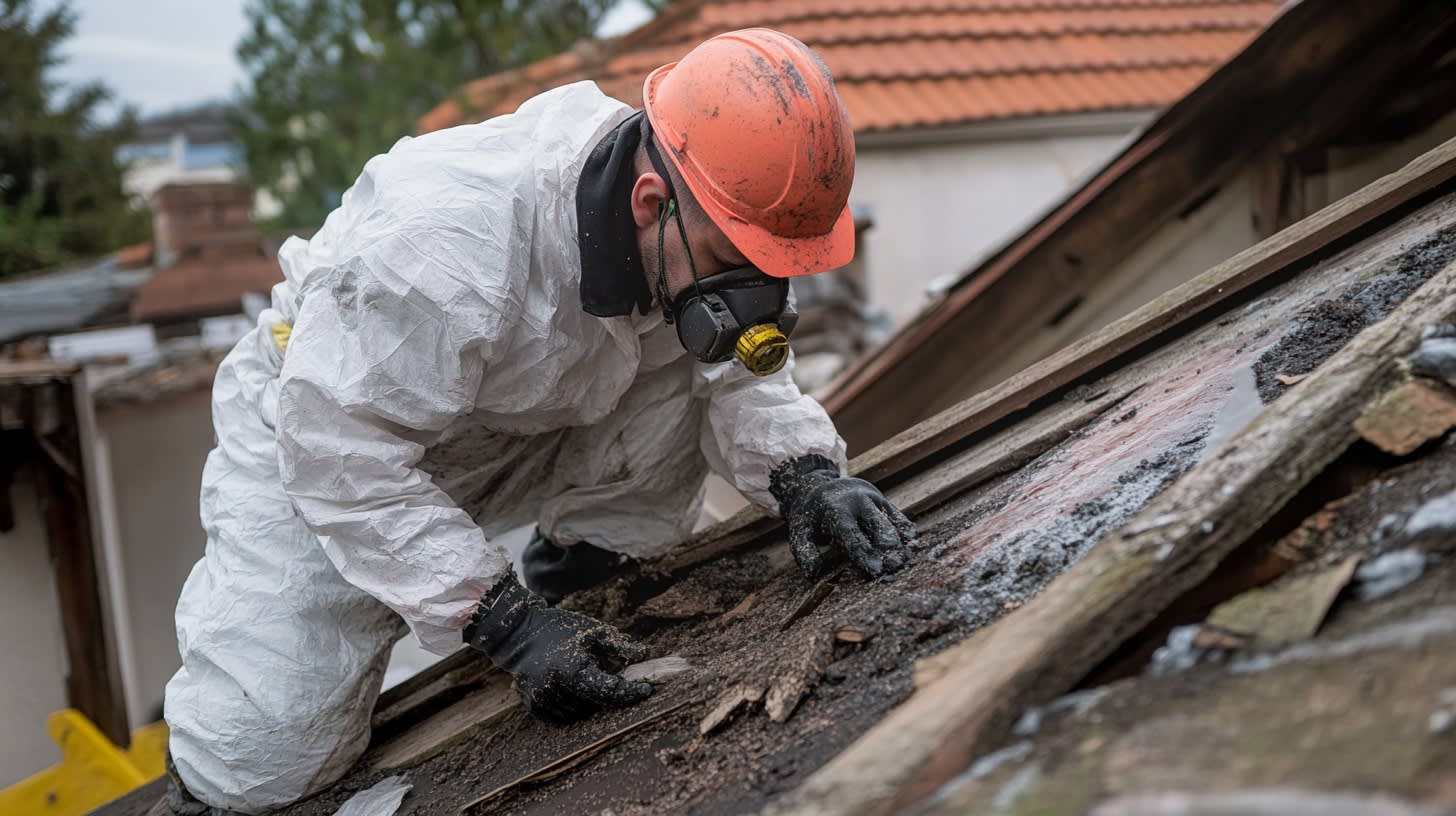
You'll experience one of the most unsafe asbestos types primarily in commercial sites and factories, where amphibole asbestos was often made use of for insulation and fireproofing. Residential structure materials, such as ceiling floor tiles and pipeline insulation, also present considerable risks, particularly in pre-1980 construction. In addition, shipyards and auto components frequently have high focus of dangerous asbestos fibers, raising job-related direct exposure.
Industrial Sites and Manufacturing Facilities
While industrial sites and manufacturing facilities have historically relied upon asbestos for its warmth resistance and sturdiness, these atmospheres usually harbor one of the most unsafe selections— primarily crocidolite (blue asbestos) and amosite (brownish asbestos). You're most likely to come across these fibers in equipment insulation, pipeline lagging, and architectural fireproofing. Industrial health methods often mandate extensive direct exposure keeping an eye on to secure employees from air-borne fibers, which can penetrate deep right into the lungs. Reliable plant purification is vital, as residual asbestos dirt continues maturing tools and structure substratums. The table below outlines where and why these asbestos types are prevalent:
Asbestos Kind
Common Location
Associated Danger
Crocidolite
Steam pipes
Greatest inhalation danger
Amosite
Insulation panels
Moderate-high threat
Chrysotile
Gaskets
Lower danger
Combined fibers
Central heating boiler areas
Variable danger
Residential Structure Products
Legacy construction commonly conceals substantial asbestos hazards within household environments, particularly in homes constructed prior to the 1980s. You're likely to experience asbestos insulation covered around pipelines, boilers, or attic rooms, where amphibole asbestos, particularly amosite, postures a heightened threat as a result of its friability and needle-like fiber framework. Troubling these materials during renovations can easily release dangerous fibers right into the air. Additionally, plastic flooring mounted in mid-century homes often contains chrysotile asbestos ingrained in the support or adhesive. While chrysotile is much less bio-persistent, damaged or scrubby ceramic tiles can release respirable fibers. Recognizing the exact asbestos type and condition is vital— undamaged asbestos insulation and undisturbed plastic floor covering normally pose marginal risk, but any kind of mechanical disruption markedly raises direct exposure potential. Always seek advice from licensed specialists prior to disturbing suspect products.
Shipyards and Automotive Parts
Although asbestos finds its means into various commercial applications, shipyards and auto parts are specifically well-known for harboring one of the most hazardous forms— mostly crocidolite and amosite asbestos. If you collaborate with shipyard rivets or brake linings, you're at enhanced threat, since these elements commonly integrate asbestos for warm resistance and resilience. Crocidolite, with its slim, needle-like fibers, is particularly dangerous due to its ability to pass through lung cells conveniently. Amosite, another amphibole asbestos, is additionally widespread in these settings, particularly within insulation and gaskets. The table below outlines crucial locations, asbestos kinds, and associated threats:
Location
Asbestos Kind
Health Risk Degree
Shipyard Rivets
Crocidolite
Extremely High
Brake Linings
Amosite
Really High
Gaskets
Amosite
High

Pipeline Insulation
Crocidolite
Extremely High
Clutch Facings
Amosite
High
Exactly How Can You Inform the Sorts Of Asbestos Apart?

Oddly, distinguishing the numerous kinds of asbestos isn't always uncomplicated, as their fibers are tiny and often mixed within construction materials. You can not depend on aesthetic evaluation alone, considering that chrysotile, amosite, and crocidolite have comparable appearances wholesale type. Rather, fiber microscopy-– particularly polarized light microscopy (PLM) or transmission electron microscopy (TEM)— is needed to properly separate asbestos types. asbestos demolition survey These approaches analyze fiber morphology and chemical structure, enabling precise classification by structure (serpentine vs. amphibole) and important content. In the area, initial field testing might entail tasting and portable analytical devices, but definitive recognition needs lab evaluation. Recognizing which asbestos type is present is essential, as fiber size, shape, and durability straight influence health and wellness risks and needed removal methods.
Can You Determine Asbestos in your house or Workplace?
Within many household and business structures, asbestos-containing products might exist without obvious indicators, making identification testing for passengers and home supervisors. You can't dependably determine asbestos exclusively with aesthetic evaluation, as its fibers are microscopic and commonly ingrained within various items like insulation, ceiling ceramic tiles, or flooring coverings. Even educated specialists regularly call for research laboratory evaluation to verify asbestos presence. Air monitoring is another evidence-based approach, utilized to discover airborne asbestos fibers, particularly after disruption of suspect materials. https://westbromptonasbestosremoval.co.uk Consider the complying with contrast:
Recognition Technique
Summary
Aesthetic Assessment
Non-invasive; lacks certainty; restricted by similarities to non-asbestos products.
Air Tracking
Discovers airborne fibers; necessary after material disruption; requires customized devices.
Depending entirely on alone monitoring wants for accurate asbestos discovery, highlighting the demand for expert assessment and verified testing approaches.
How to Secure Yourself From Asbestos Direct exposure
If you presume asbestos is present, you'll require to focus on licensed respiratory system security and disposable coveralls to reduce fiber breathing and contamination. Strict adherence to well established safe handling methods, consisting of damp approaches and regulated garbage disposal, noticeably decreases airborne bit release. It's vital to adhere to regulatory guidelines to ensure both individual and environmental security during any type of interaction with asbestos-containing materials.
Individual Safety Equipment Essentials
Constantly minimizing asbestos exposure risk requires the proper use personal safety tools (PPE), as even brief encounters with air-borne asbestos fibers can result in severe wellness effects. You must choose PPE that meets governing requirements and supplies reliable obstacles against fiber infiltration. https://westbromptonasbestosremoval.co.uk/services/artex-removal.html Proper respirator choice is vital— usage only NIOSH-approved, P100 or higher effectiveness particulate air (HEPA) filter respirators. Handwear cover products must be nonporous, such as nitrile or butyl rubber, to avoid facial call. Make certain all tools fits properly and is preserved in peak problem. The right PPE considerably minimizes your threat of inhalation or skin absorption.
- NIOSH-approved P100 respirators for particulate filtration
- Non reusable coveralls with sealed seams
- Impenetrable handwear covers (nitrile, butyl rubber)
- Safety glasses with side guards
- Non reusable footwear covers for contamination control
Safe Handling Procedures
While correct PPE kinds an important defense, your risk of asbestos exposure remains considerable without stringent adherence to secure handling treatments. You have to follow comprehensive training protocols that emphasize lessening fiber release, utilizing wet techniques to reduce dust, and preventing any kind of activity that could disturb asbestos-containing materials unnecessarily. Only authorized, educated personnel should manage or carry asbestos. Constantly consist of and classify waste in leak-tight containers. Develop decontamination stations at all accessibility points, ensuring you completely tidy or remove polluted garments and tools before leaving the workplace. Never eat, drink, or smoke within the contaminated area. Regularly review and upgrade your site-specific treatments based on existing guidelines and run the risk of evaluations. Diligent application of these approaches substantively lowers your likelihood of harmful exposure.
Often Asked Inquiries
Can Asbestos Direct Exposure Cause Health Problems in Pet Dogs?
Yes, asbestos exposure can create health issue in pet dogs. You could notice pet symptoms like coughing, struggled breathing, or lethargy. Given that asbestos fibers can come to be lodged in the respiratory system system, they might generate asbestosis, pleural effusion, or perhaps mesothelioma in pets. If you suspect exposure, punctual family pet diagnosis by a veterinarian utilizing radiography or cytology is crucial. Early treatment can minimize disease development and boost your pet's diagnosis.
Is Asbestos Still Mined or Produced Anywhere in the Globe?
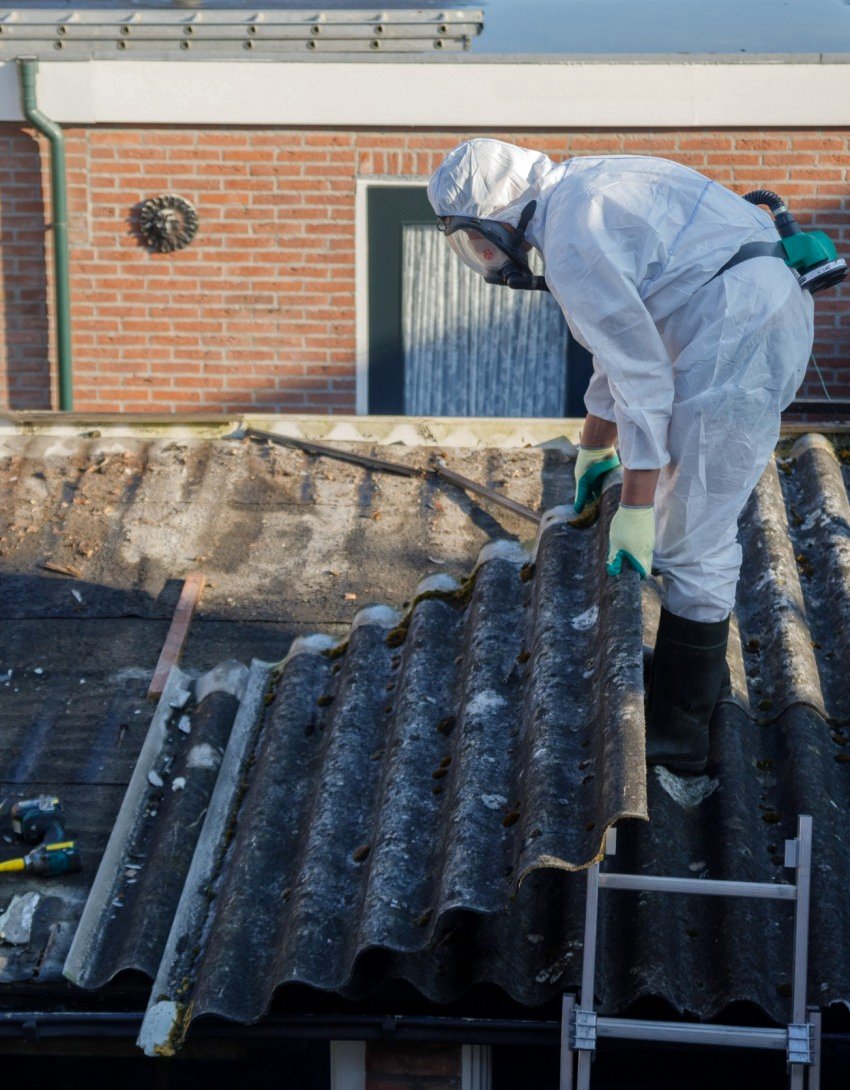
You could believe asbestos mining is old background, yet astonishingly, existing mining and recurring production still continue in a few countries. Although many countries have actually prohibited asbestos as a result of its well-documented health and wellness threats, areas like Russia, China, and Kazakhstan continue commercial removal and exportation. You'll locate that international laws differ, and despite frustrating scientific consensus on its risks, global asbestos usage hasn't been entirely gotten rid of— so understanding remains necessary.
For how long Does It Consider Asbestos-Related Conditions to Create?
You'll commonly see asbestos-related diseases create after latency durations ranging from 10 to half a century post-exposure. The length of the latency period relies on elements like advancing direct exposure and private susceptibility. There's a clear dose-response connection: greater and extra extended exposure raises your danger and might shorten the latency. Scientific evidence shows problems such as asbestosis, lung cancer, and mesothelioma usually existing decades after your initial asbestos exposure.
Exist Safe Degrees of Asbestos Direct Exposure?
There aren't truly safe levels of asbestos direct exposure. Governing limits and work limits, such as OSHA's permissible direct exposure limit (PEL) of 0.1 fibers per cubic centimeter over an 8-hour change, exist to minimize risk, yet no direct exposure degree is considered completely risk-free. Also low focus have been associated with disease development. Subsequently, you should always apply rigorous controls and personal protective tools to decrease direct exposure as a lot as feasible in job-related settings.
Can Asbestos Contaminate Dirt or Water Products?
Absolutely, asbestos can infect soil and water products— imagine an unnoticeable military of fibers attacking your environment! When asbestos-containing products wear away or are improperly thrown away, fibers can work out in the dirt. Rain and surface water can after that activate asbestos runoff, allowing fibers to move and penetrate groundwater sources. Scientific research studies verify that groundwater seepage leads to persistent contamination, positioning considerable threats to public health and needing strenuous remediation actions to mitigate direct exposure.